Markets · NY Daily Wire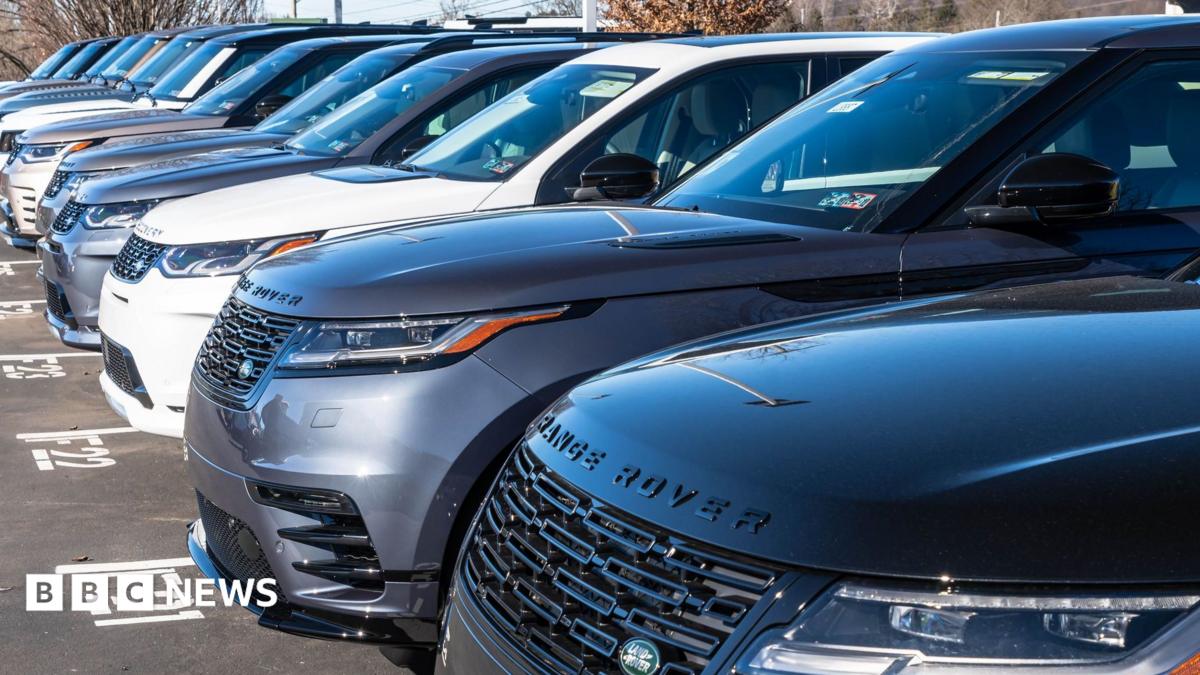
Jaguar Land Rover's decision to shed 4,000 jobs comes after the company has faced a series of tough challenges. Sales have plummeted across its major markets, and a devastating cyber-attack paralyzed production last year. At the same time, JLR has invested billions in reinventing itself for an electric future, but faces intense competition from rapidly expanding Chinese brands.
Executives have decided a major overhaul is needed, particularly in the Chinese market, which has shifted from a growth opportunity to a competitive battleground. JLR’s sales in China dropped from 146,000 cars in 2017 to just 62,400 in the last financial year, driven by competition, a new luxury car tax, and slower economic growth. Profit margins have been hit, and JLR is not alone—Volkswagen Group has also seen earnings plummet in China, leading to job cuts.
The Chinese market’s shift has prompted European brands, including JLR, to expand aggressively abroad, with Chinese manufacturers like BYD and Chery gaining market share in the UK and Europe. Meanwhile, JLR’s US sales fell from over 120,000 in 2024 to just under 100,000 in 2025, partly due to a cyber-attack and import tariffs. To mitigate tariffs, JLR is partnering with Stellantis to build new Defender-badged vehicles in the US.
Energy costs, already high in the UK, are further squeezing JLR’s margins, as electricity remains a critical input for manufacturing. Despite these challenges, JLR has launched its first electric Range Rover, but its push for an all-electric Jaguar brand has faced backlash, including a polarizing advertising campaign in late 2024. The company’s CEO, PJ Balaji, acknowledges the need for cost-cutting and leaner operations, including potential redundancies, while suppliers also face rising energy and labor costs, creating widespread anxiety.
Source: BBC