Markets · NY Daily Wire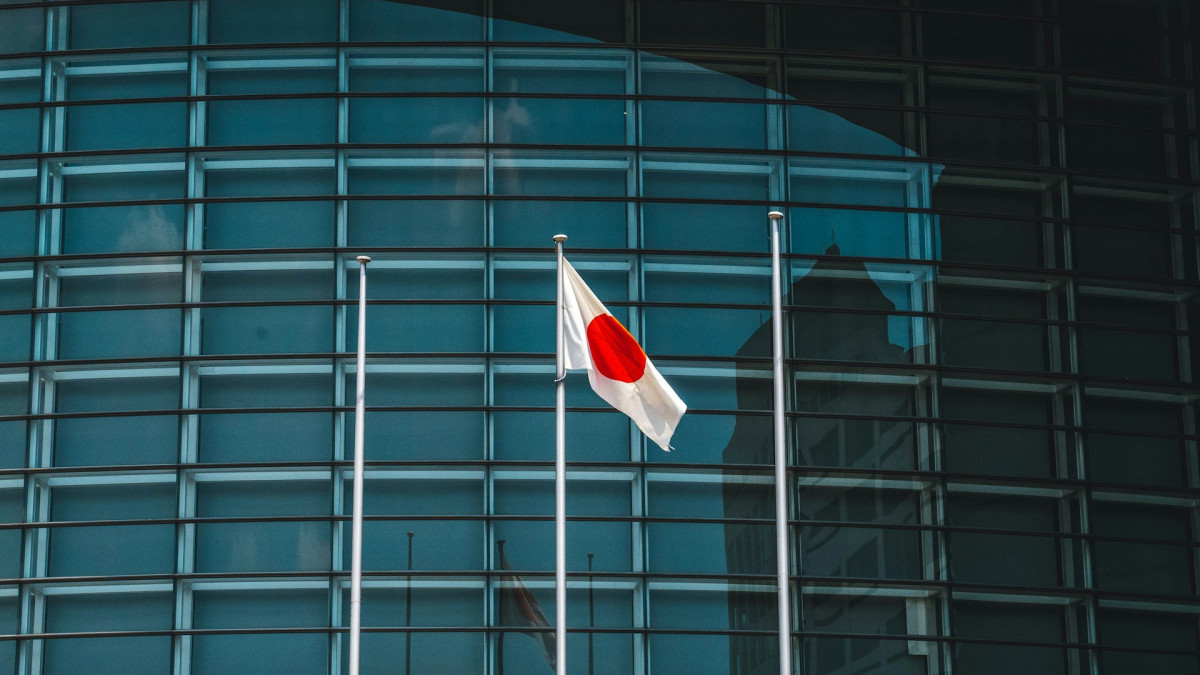
Home Latest Energy News By Tsvetana Paraskova - Oct 06, 2026, 6:30 AM CDT Japan plans to use the Asia Zero Emission Community (AZEC) meeting later this week to agree with other Asian countries on action plans to increase oil reserves in the region, Japanese Industry Minister Ryosei Akazawa, said on Tuesday. Resource-poor Japan, which needs to import almost all of the oil and gas it consumes, found itself scrambling for supply after the war in Iran trapped crude and LNG cargoes behind the Strait of Hormuz. The G7 economy’s Prime Minister, Sanae Takaichi, in April proposed a partnership with other Asian countries, the so-called Partnership on Wide Energy and Resources Resilience, or POWERR Asia, to bolster regional oil reserves.
POWERR Asia is backed by a planned $10 billion (1.5 trillion Japanese yen) support package, to help Asian countries increase their oil stocks and protect against future disruptions. Now Japan will discuss with other Asian countries concrete steps to increase oil reserves and supply resilience as the Middle East crisis has dragged on in its eighth month. Japan also plans a special meeting with Saudi Arabia and the United Arab Emirates (UAE), the top crude oil exporters from the Middle East, to boost cooperation between Gulf producers and Asian consumers, the Japanese minister Akazawa told a news conference today, as carried by Reuters.
Japan wants to be the hub linking Gulf producers with consumers in Asia, the official added. Japan in the spring moved to release crude from its strategic reserves as part of an IEA-coordinated global effort to release 400 million barrels of crude and oil products. Southeast Asia, which has been particularly hit by the Middle East crisis, also moved to agree on a petroleum security agreement in the spring, “to enable coordinated emergency fuel sharing and collective responses to supply disruption.” Southeast Asian economies such as the Philippines, Indonesia, Malaysia, and Vietnam were the first to feel fuel shortages after the blocked Strait of Hormuz cut off most of their regular crude and fuel supply from the Middle East.
By Tsvetana Paraskova for Oilprice.com More Top Reads From Oilprice.com Gulf Oil Exports Recover to 81% of Pre-War Levels At Least 50 Iranian Tankers Are Stuck in the Gulf as U.S. Blockade Holds China Accelerates Ultra-Deep Drilling to Boost Domestic Oil Supply Join the discussion | Back to homepage Tsvetana Paraskova What I Cover Tsvetana Paraskova is an energy and commodities journalist who has contributed to Oilprice.com for nearly a decade, covering global energy markets, commodities,... More Info Leave a comment EXXON Mobil -0.35 Open 57.81 Trading Vol. 6.96M Previous Vol. 241.7B BUY 57.15 Sell 57.00