Markets · NY Daily Wire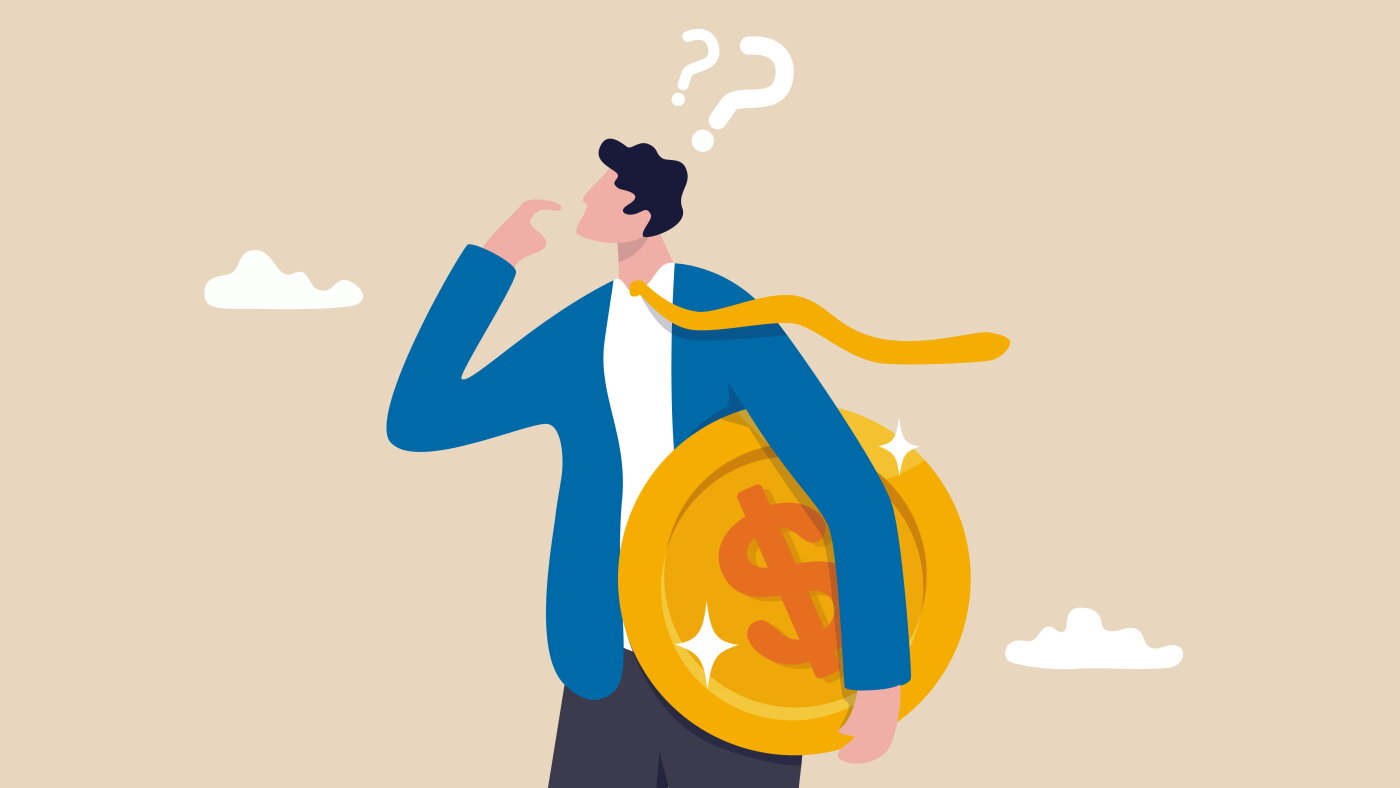
Nuthawut Somsuk / Getty Images Today's economy is brought to you by... the letter K! Or is it C? Or ... well, it depends on who you talk to about how the rich and poor are doing these days.
You've probably heard about the K-shaped economy. When people talk about it, they generally mean that inequality is widening, with the fortunes of the rich and poor diverging, forming a K shape. Treasury Secretary Scott Bessent said he was 'sick of hearing about this K-shaped economy' and believed a C-shaped economy better describes current economic conditions for lower- and middle-class Americans.
This desire to simplify economic trends isn't new; we always seek shorthand to capture the essence of economic changes. However, assigning a single letter to such a complex issue seems reductive. The story begins during COVID-19.
Mike Strain of the American Enterprise Institute explains that the term 'K-shaped economy' emerged around 2020, reflecting that the poor were getting poorer while the rich were getting richer. Initially, temporary federal relief programs mitigated some pandemic damage, but as these ended, poverty rates surged from 7.8% in 2021 to 12.4% in 2022. Meanwhile, the wealthiest 10% of Americans grew wealthier.
Government stimulus and low interest rates boosted stock markets, benefiting wealthy stockholders. This bifurcation led many economists to describe the economy as K-shaped. However, Strain notes that the term has been misused—some now use it simply to describe inequality rather than its original meaning.
Claudia Sahm, an economist at New Century Advisors, argues that focusing on incremental changes at the top and bottom misses the broader wealth gap, which has persisted since at least 1989. The top 1% own one-third of the country’s wealth, while the bottom half owns less than 3%. Christopher Nassetta, head of Hilton Hotels, recently suggested a C-shaped economy, though he focused on middle-class earnings.
Treasury Secretary Bessent adopted this term, citing recent data showing wage growth converging for workers with high school and college degrees. However, critics argue this measure doesn’t fully capture the economy’s complexity. Claudia Sahm emphasizes that wealth and income data alone don’t provide a complete picture.
The unemployment rate is at 4.1%, but jobless claims are rising, and many people are leaving the workforce. Strain sees the economy as easing slowly, returning to pre-pandemic conditions—a W-shaped pattern. The article concludes by questioning whether any single letter can adequately describe the economy’s current state.
Source: NPR